Realizing Africa's Agribusiness Potential
Africa holds immense promise to become an agricultural giant. Its 60% share of the world’s uncultivated arable land should serve as a catalyst for self-sufficiency and global impact. Yet the continent still imports over $40 billion in food each year, exposing local economies to price volatility and stifling farming communities.
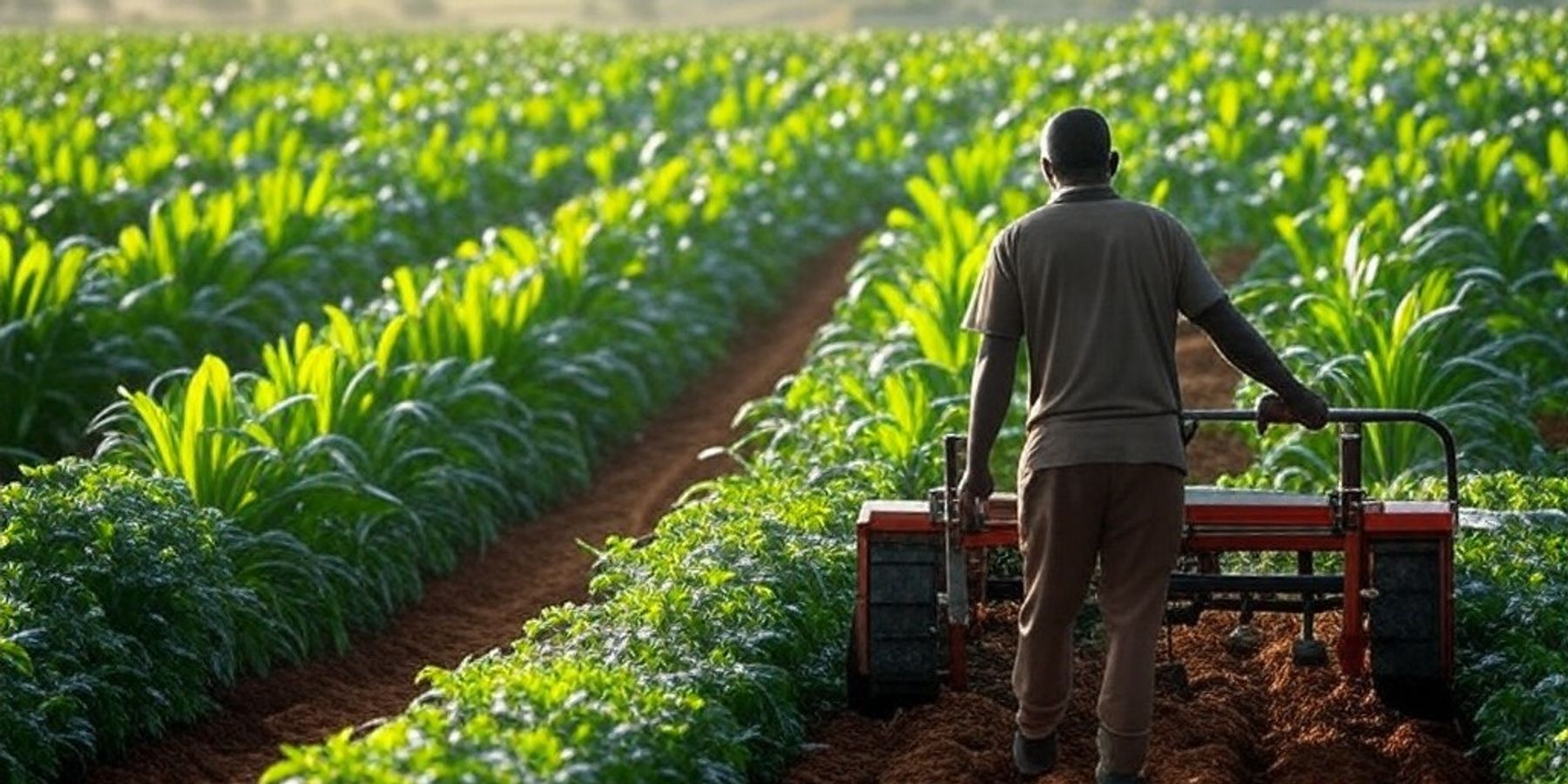
Africa stands at a crossroads. Endowed with abundant natural resources, a young and growing population, and vast tracts of uncultivated arable land, the continent possesses all the ingredients necessary to become a global agricultural powerhouse. However, realizing this potential requires acknowledging and overcoming the significant challenges hindering the growth of Africa's agribusiness sector. We need to navigate these challenges, explores the array of opportunities available, and outlines a clear path forward for transforming African agriculture into a thriving engine of economic growth and prosperity.
Bridging the Gap Between Potential and Reality
Despite its agricultural advantages, Africa faces a sobering reality. The continent's agricultural productivity remains strikingly low, a stark contrast to its vast potential. While Africa boasts 60% of the world's uncultivated arable land, its contribution to global agricultural output stands at a meager 10%. This disparity is further highlighted by the low average cereal yields in Africa, a mere 1.2 tons per hectare, paling in comparison to other regions like Asia, Latin America, and the European Union, which boast significantly higher yields. This lack of productivity has dire consequences. Since the 1980s, Africa has been a net importer of agricultural products, spending a staggering $40 billion to $50 billion annually on food imports. This dependence on external sources exposes the continent to price volatility and undermines its own agricultural development.Furthermore, the lack of value addition in Africa's agribusiness sector exacerbates these challenges. Instead of processing its raw materials and capturing the added value, Africa exports its resources, forfeiting job creation and economic opportunities for its burgeoning population.
Seizing the Opportunities requiresa Multifaceted Approach
Despite these hurdles, Africa possesses a unique window of opportunity to transform its agricultural landscape. By embracing a multifaceted approach that addresses key areas, the continent can unlock its true agribusiness potential:
- Boosting Agricultural Productivity: The cornerstone of agricultural transformation lies in enhancing productivity. This can be achieved through strategic investments in several key areas:
Enjoyed this insight?
Explore more insights